What is router in networking and how it works?

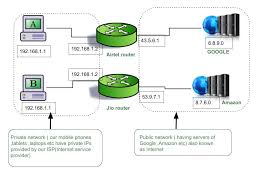
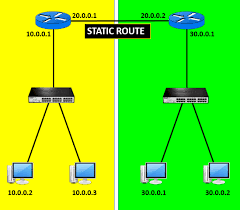
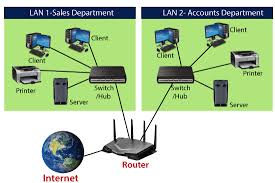
A router is a networking device that connects multiple networks (such as connecting a home Local Area Network, or LAN, to the Internet/WAN) and acts as a traffic director. It receives, analyzes, and forwards data packets between networks to their intended IP addresses, ensuring efficient data routing and enabling multiple devices to share one internet connection. …

Read More

What is routing in networking?

Routing is the fundamental networking process of selecting the best, most efficient path for data packets to travel across1 or more networks from a source to a destination. Operating at Layer 3 (Network Layer) of the OSI Model, it enables, data, such as internet traffic, to navigate through routers and across different networks. Key Aspects of Routing…

Read More

What is servicenow?

ServiceNow is a cloud-based Platform-as-a-Service (PaaS) that uses AI and machine learning to automate enterprise workflows, specifically for IT, HR, customer service, and security. It serves as a central system of action, connecting disparate departments to streamline processes, improve productivity, and enhance employee and customer experiences. Key Aspects of ServiceNow: Core Functionality: Originating in IT Service Management…

Read More

Difference between ipv4 and ipv6

IPv4 uses 32-bit addresses, supporting ~4.3 billion devices with decimal notation (e.g., 192.168.1.1), leading to address exhaustion. IPv6 uses 128-bit addresses, providing   unique, hexadecimal-notated addresses, eliminating the need for NAT, and offering built-in IPsec security, faster routing, and automatic configuration (SLAAC).  Key Differences Between IPv4 and IPv6 Routing/Performance: IPv6 uses multicasting and anycast, reducing network congestion….

Read More

Firewall load balancer configuration step by step

Configuring a firewall load balancer involves creating a server pool of firewalls, defining health checks, setting up a virtual IP (VIP) to receive traffic, and applying load-balancing algorithms (e.g., Round Robin) to distribute traffic across firewall members Key steps include enabling load balancing features, defining real/backend servers, and applying NAT/firewall policies. Step-by-Step Configuration Guide Define Backend…

Read More